
Surgical intervention for elbow dysplasia has evolved dramatically over the past three decades, transitioning from open arthrotomy as the only option to sophisticated arthroscopic techniques that minimize tissue trauma while maximizing visualization. Yet despite these technical advances, outcomes remain variable, and selecting the optimal procedure for each patient requires understanding how lesion type, severity, concurrent pathology, and patient factors influence results. Surgery aims not to cure elbow dysplasia but to reduce pain, slow osteoarthritis progression, and preserve function for as long as possible.
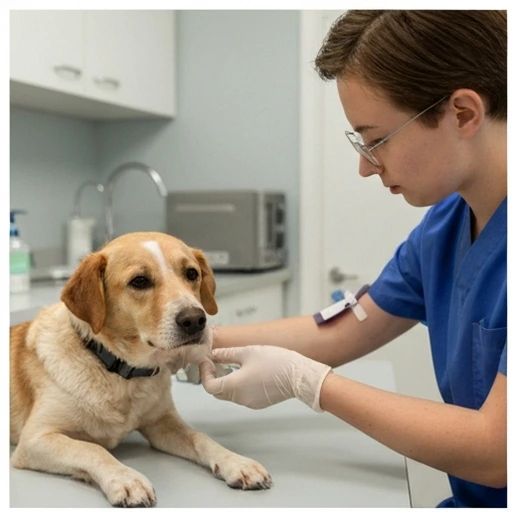
Goals of Surgical Treatment
Before discussing specific techniques, it is essential to establish realistic treatment goals. Surgical intervention for ED addresses symptoms and mechanical pathology but does not restore normal joint anatomy or eliminate the underlying developmental abnormality.
Achievable Goals
- Remove loose fragments that cause mechanical irritation and pain
- Debride damaged cartilage to smooth, stable margins
- Address joint incongruity when present
- Reduce inflammation and effusion
- Slow progression of secondary osteoarthritis
- Restore comfortable function for daily activities
Limitations
- Cannot regenerate normal hyaline cartilage
- Does not eliminate genetic risk for offspring
- Progressive OA occurs in most dogs regardless of treatment
- Return to high-level athletic function may not be possible
Managing Expectations
Owners should understand that surgery provides symptom management and functional improvement rather than cure. Most surgically treated dogs require some degree of ongoing osteoarthritis management, and some will eventually develop functional limitations despite successful surgical intervention.
Arthroscopic Surgery
Arthroscopy has become the gold standard for elbow dysplasia surgery in referral practice, offering superior visualization with minimal tissue disruption compared to open techniques. The procedure is performed under general anesthesia with the patient in lateral recumbency.
Technique Overview
The arthroscope (typically 2.4-2.7mm diameter) is introduced through a medial portal, allowing direct visualization of the medial compartment where most ED lesions occur. Working instruments are introduced through a second portal, enabling debridement, fragment removal, and joint lavage.
Advantages of Arthroscopy
- Magnified visualization of joint surfaces
- Minimal soft tissue disruption
- Faster recovery than open surgery
- Complete joint inspection possible
- Simultaneous diagnosis and treatment
Limitations
- Requires specialized equipment and training
- Steep learning curve for surgeons
- Limited access to some joint regions
- Cannot address all concurrent procedures
- Equipment costs increase procedure expense
Arthroscopic Fragment Removal (FCP)
For fragmented coronoid process, arthroscopy allows identification and removal of loose or unstable coronoid fragments. The surgeon systematically examines the coronoid, uses probes to assess fragment stability, and removes pathological tissue using grasping instruments and motorized shavers.
The extent of debridement remains controversial. Some surgeons advocate aggressive subtotal coronoidectomy removing all abnormal bone, while others prefer conservative fragment removal preserving maximum coronoid surface. Current evidence does not definitively favor either approach, though most surgeons aim to remove unstable tissue while preserving stable, well-attached bone.
Arthroscopic Treatment of OCD
Osteochondritis dissecans lesions are addressed by removing the abnormal cartilage flap and debriding the lesion bed to stable margins. Some surgeons perform forage (drilling multiple small holes into subchondral bone) to encourage fibrocartilage formation, though evidence for this additional step remains limited.
Expected Outcomes: Arthroscopy
| Outcome Measure | FCP | OCD |
|---|---|---|
| Lameness improvement | 70-85% improved | 75-90% improved |
| Return to normal activity | 70-80% | 75-85% |
| OA progression | Most dogs progress | Most dogs progress |
| Recovery time | 6-8 weeks | 6-8 weeks |
Outcomes based on published literature synthesis; individual results vary based on case selection and concurrent pathology
Open Arthrotomy
Traditional open surgical approaches, while largely superseded by arthroscopy for routine cases, remain appropriate in certain situations and are more widely available than arthroscopic capabilities.
Indications for Open Surgery
- Practices without arthroscopic equipment or expertise
- Large lesions requiring extensive debridement
- Concurrent procedures requiring open access (osteotomy, fixation)
- UAP requiring anconeal excision or fixation
- Failed arthroscopic treatment requiring revision
Medial Approach
The standard medial approach provides access to the coronoid and medial humeral condyle through an incision along the medial epicondylar ridge. The flexor muscles are elevated, allowing visualization of the medial compartment. This approach is suitable for FCP removal and OCD debridement.
Caudal Approach
Access to the anconeal process for UAP treatment requires a caudal approach, with incision between the triceps heads. This approach allows direct visualization of the anconeal for excision or lag screw fixation.
Recovery Comparison
Open arthrotomy requires 8-12 weeks for soft tissue healing compared to 6-8 weeks for arthroscopy. Greater post-operative discomfort occurs with open approaches, and rehabilitation protocols typically progress more slowly. When arthroscopic expertise is available, minimally invasive approaches are preferred for most routine ED surgery.
Osteotomy Procedures
When joint incongruity contributes to elbow dysplasia pathology, osteotomy procedures may improve joint mechanics and reduce abnormal loading patterns that perpetuate disease. Precise pre-operative assessment of incongruity through CT scanning has improved patient selection for these procedures, as CT measures radio-ulnar step defects with sub-millimeter accuracy that radiographic assessment cannot match.

Proximal Ulnar Osteotomy
Proximal ulnar osteotomy involves cutting the ulna just distal to the trochlear notch. This allows the distal ulnar segment to shift, adjusting the relationship between radius and ulna to improve joint congruence. The osteotomy may be performed using various techniques:
- Dynamic osteotomy: Oblique cut allowing gradual shift during healing; useful in immature dogs
- Abduction osteotomy: Wedge removal to abduct the distal ulna, reducing medial compartment loading
- Bioblique osteotomy: Complex cut allowing both abduction and length adjustment
Sliding Humeral Osteotomy
Sliding humeral osteotomy (SHO) represents a more aggressive approach that shifts the humeral weight-bearing axis laterally, transferring load from the diseased medial compartment to the relatively normal lateral compartment. This procedure is reserved for cases with advanced medial compartment disease where simpler interventions have failed or are unlikely to succeed.
Osteotomy Outcomes
Osteotomy procedures demonstrate variable outcomes in published literature, reflecting the challenges of patient selection and technical execution. Fitzpatrick et al. (2009) reported improved results when ulnar osteotomy was combined with arthroscopic fragment removal compared to fragment removal alone in dogs with documented incongruity. However, patient selection significantly influences outcomes, and osteotomy is not appropriate for all ED cases.
UAP-Specific Surgical Options
Ununited anconeal process requires specific surgical consideration because the pathology involves a major stabilizing structure rather than a small fragment.
Anconeal Excision
Complete removal of the unfused anconeal eliminates the source of mechanical irritation and provides pain relief. However, excision sacrifices the anconeal's normal stabilizing function. Most dogs function well after excision, but some develop increased elbow instability and accelerated osteoarthritis progression.
Lag Screw Fixation
When the anconeal is minimally displaced and articular cartilage remains intact, lag screw fixation may achieve union while preserving joint stability. A cortical bone screw is placed from the caudal olecranon across the non-union into the anconeal, compressing the fragments together to promote bony healing.
| Factor | Favors Fixation | Favors Excision |
|---|---|---|
| Age | Young (<12 months) | Older dogs |
| Displacement | Minimal | Significant displacement |
| Cartilage status | Good quality | Erosion/damage present |
| Concurrent incongruity | Present (combine with osteotomy) | Absent or severe |
| Secondary OA | Minimal | Advanced |
Post-Operative Management
Appropriate post-operative care significantly influences surgical outcomes. Protocols vary based on procedure performed and individual patient factors.
Immediate Post-Operative Period (0-2 weeks)
- Pain management with appropriate analgesics
- Cold therapy (icing) to reduce inflammation
- Strict rest with leash walks for elimination only
- Incision monitoring for infection/dehiscence
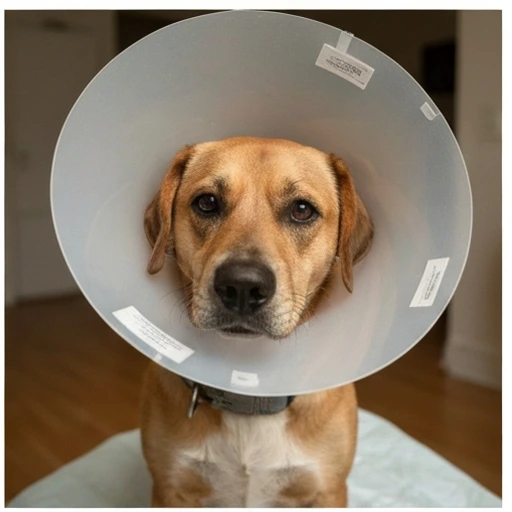
- E-collar to prevent licking
Early Rehabilitation (2-6 weeks)
- Gradual increase in controlled leash walking
- Passive range of motion exercises
- Swimming (once incision healed) for low-impact exercise
- Continued activity restriction (no running, jumping, playing)
- Consider referral for structured rehabilitation with a certified canine rehabilitation practitioner, as dogs receiving formal post-operative rehabilitation demonstrate measurably better limb loading and faster functional recovery than those managed with rest-based protocols alone
Progressive Return (6-12 weeks)
- Gradual increase in exercise duration and intensity
- Strengthening exercises as directed
- Slow introduction of off-leash activity
- Recheck radiographs if indicated
Weight Management Critical
Maintaining optimal body condition (BCS 4-5/9) throughout recovery and long-term is perhaps the single most important factor in post-surgical success. Excess body weight increases joint loading, accelerates osteoarthritis progression, and reduces functional outcomes regardless of surgical technique.
Factors Affecting Surgical Outcome
Multiple factors influence the success of ED surgery, and understanding these helps set appropriate expectations and optimize patient selection:
Favorable Prognostic Factors
- Young age at surgery (<12 months)
- Minimal pre-existing osteoarthritis
- Single lesion type (no concurrent pathology)
- Good cartilage quality at surgery
- Lean body condition
- Owner compliance with rehabilitation
Unfavorable Prognostic Factors
- Advanced age at diagnosis
- Significant secondary osteoarthritis
- Multiple concurrent lesions (FCP + OCD)
- Severe cartilage erosion
- Marked joint incongruity
- Obesity
When Surgery Is Not Recommended
Not all dogs with elbow dysplasia benefit from surgery. Conservative management may be preferred in specific situations:
- Mild disease (Grade 1) without clinical signs
- Advanced osteoarthritis with minimal remaining cartilage
- Elderly dogs with concurrent medical conditions
- Dogs with minimal clinical impact from ED
- Owner unable to comply with post-operative restrictions
- Financial constraints preventing appropriate post-operative care
Related Database Resources
- Conservative Management - Non-surgical treatment options
- FCP Fragmented Coronoid - Most common surgical indication
- OCD Osteochondritis - Surgical considerations for OCD
- UAP Ununited Anconeal - UAP surgical options in detail
- Radiographic Diagnosis - Pre-surgical imaging assessment
Conclusion
Surgical intervention for elbow dysplasia offers significant potential for pain relief and functional improvement when appropriately applied to suitable candidates. Arthroscopic techniques have become the standard for most routine ED surgery, offering excellent visualization with minimal tissue trauma. Osteotomy procedures address underlying joint mechanics in selected cases. Understanding realistic outcome expectations, optimizing patient selection, and ensuring appropriate post-operative management maximize the benefits of surgical intervention while acknowledging that ED surgery manages rather than cures this complex developmental condition.