
A police dog that cannot pursue a suspect. A search-and-rescue dog that falters on rubble. A military working dog retired at three years instead of ten. Elbow dysplasia ends working dog careers prematurely, and the financial and operational consequences extend far beyond the individual animal. Training a single military or law enforcement dog costs between 15,000 and 50,000 GBP depending on specialization, and early retirement due to orthopedic disease represents a profound waste of resources. Yet working dog programs worldwide continue to struggle with elbow dysplasia because the breeds most suited to demanding work, German Shepherds, Belgian Malinois, Labrador Retrievers, and Rottweilers, are precisely the breeds most affected by the condition.
Prevalence in Working Dog Populations
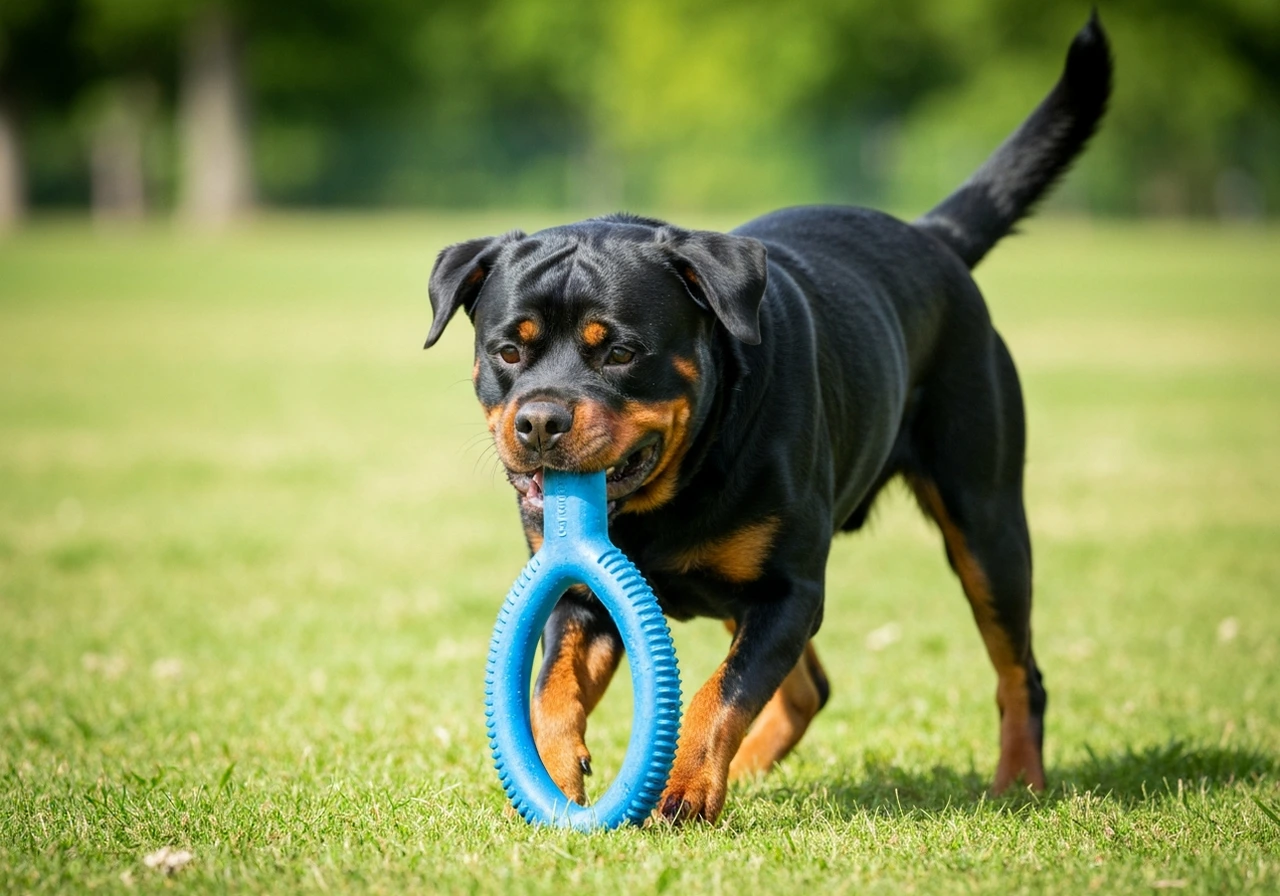
Working dog populations differ from the general pet population in ways that influence elbow dysplasia expression. Selection for physical capability, athletic conditioning from early age, and breeding programs emphasizing working temperament over show conformation all interact with ED genetics in complex ways.
Military and Police Working Dogs
Studies of military working dog populations consistently report elbow dysplasia as a leading cause of early retirement. Moore et al. (2001) found that musculoskeletal disease accounted for 36% of premature retirements among US military working dogs, with elbow and hip conditions comprising the majority. The Dutch Royal Army reported similar figures, with orthopedic disease ending 32% of working careers before age 7.
German Shepherds and Belgian Malinois, the dominant breeds in police and military work, show breed-specific prevalence rates of 19-20% and 16-18% respectively in general populations. Working dog breeding programs, through selection for physical soundness, have reduced these rates somewhat. The Swedish Armed Forces breeding program reports ED prevalence of approximately 12% in their working German Shepherd lines, achieved through 25 years of strict screening and pedigree-based selection.
Research Insight: The Belgian Malinois Shift
The global shift from German Shepherds to Belgian Malinois in military and law enforcement work over the past two decades was partly motivated by orthopedic concerns. Belgian Malinois have moderately lower ED prevalence (16-18% vs. 19-20%), lighter body weight reducing joint loading, and a more athletic build distributing forces more evenly. However, the breed is not immune, and as breeding programs prioritize drive over structure, Malinois-specific orthopedic problems are emerging.
Detection and Guide Dogs
Detection dogs (narcotics, explosives, medical alert) and guide dogs for the visually impaired face different physical demands than patrol dogs but are equally affected by ED. The Guide Dogs for the Blind Association (UK) reports that orthopedic conditions, including elbow dysplasia, account for approximately 15% of dogs withdrawn from their breeding and training program.
Labrador Retrievers, the predominant breed for detection and guide work, show ED prevalence rates of 11-13% in general populations. The Guide Dogs breeding program has achieved rates below 8% through decades of screening and selective breeding, demonstrating that sustained selection pressure does reduce population prevalence, albeit slowly.
Herding and Farm Working Dogs
Border Collies, Australian Shepherds, and other herding breeds generally have lower ED prevalence (under 5%), reflecting both lighter body weight and genetic distance from the high-prevalence working breeds. However, the physical demands of daily herding work mean that even mild ED causes functional impairment earlier than in companion dogs. A sheep farmer's Border Collie with Grade 1 ED may show clinical signs at 3-4 years that would not manifest in a pet dog until age 7-8.
The Impact of Physical Demands on ED Progression
Working dogs experience physical stresses that accelerate the progression from subclinical elbow dysplasia to clinical disease and from early osteoarthritis to debilitating joint failure. Understanding these demands is essential for designing screening protocols that predict working career longevity.
| Working Role | Primary Physical Stresses | Impact on Elbow Joints | Average Career Length |
|---|---|---|---|
| Patrol/Apprehension | Sprinting, jumping, bite work, vehicle exits | High impact forces; torsional loading during bite and hold | 6-8 years (sound); 3-4 years (ED affected) |
| Detection (Narcotics/Explosives) | Extended searching, jumping onto surfaces, repetitive movements | Moderate repetitive loading; cumulative wear | 8-10 years (sound); 5-7 years (ED affected) |
| Search and Rescue | Rough terrain, climbing, swimming, sustained activity | Variable impact; unpredictable loading on unstable surfaces | 7-9 years (sound); 4-6 years (ED affected) |
| Guide Dog | Sustained walking, moderate pace, leash tension | Lower impact but constant; no rest days | 8-10 years (sound); 5-7 years (ED affected) |
| Herding | Sprinting, sudden direction changes, uneven terrain | High torsional forces; lateral loading during turns | 8-12 years (sound); 4-6 years (ED affected) |
The Delayed Presentation Problem
Working dogs are selected for drive and pain tolerance, traits that mask early clinical signs of ED. A highly motivated patrol dog may show no lameness during work while accumulating progressive joint damage. By the time clinical signs become apparent to handlers, substantial osteoarthritis has typically developed. This is why screening programs that rely on clinical observation alone, rather than systematic radiographic or CT evaluation, consistently miss early disease.
Screening Protocols for Working Dog Programs
Effective screening in working dog programs requires earlier and more comprehensive evaluation than standard breeding certification, because the stakes of missed pathology are magnified by the physical demands ahead.
Recommended Screening Timeline
Initial Evaluation (4-6 months)
Physical examination focusing on elbow range of motion, joint effusion, and pain on manipulation. Not diagnostic for ED but identifies dogs warranting early imaging. Dogs showing pain or effusion should be flagged for radiographic evaluation at 8-10 months rather than waiting for standard screening age.
Pre-Training Radiographic Screen (12-14 months)
Standard IEWG-protocol radiographic evaluation before significant training investment begins. Any dog scoring Grade 1 or higher should be excluded from training programs for physically demanding roles. This is the minimum standard for responsible working dog programs.
CT Evaluation for High-Investment Programs (12-14 months)
Programs investing heavily in individual dogs (military special operations, advanced detection) should consider CT evaluation alongside radiography. CT identifies the 30-40% of FCP cases missed by radiography, including fissure lines and subtle coronoid sclerosis that predict future clinical disease, preventing investment in dogs with subclinical pathology that will shorten their working careers.
Annual Monitoring (Throughout Career)
Annual orthopedic examination by a veterinarian experienced with working dogs. Radiographic reassessment if clinical signs develop or every 2-3 years for high-demand roles. Early detection of progressive OA allows management modifications that extend working life.
Breeding Program Design for Working Dog Lines
Working dog breeding programs face a unique challenge: they must select simultaneously for behavioral traits (drive, trainability, temperament), physical capability (endurance, agility), and structural soundness (joint health). These traits are not always aligned, and overemphasis on any single attribute creates problems.
Balancing Selection Pressures
The temptation to compromise on orthopedic screening when a dog shows exceptional working ability is universal and must be resisted. A brilliant detection dog with Grade 2 ED will produce offspring predisposed to the same condition, regardless of working merit. The most successful working dog programs maintain absolute minimum orthopedic standards while allowing flexibility in behavioral selection.
Minimum Orthopedic Standards
- Elbow Grade 0 (both elbows) required for breeding
- No Grade 1 exceptions regardless of working performance
- Pedigree analysis: both parents Grade 0, no affected siblings
- Hip evaluation concurrently (A or B grade equivalent)
- Offspring monitoring: screen all progeny and track results
Common Breeding Mistakes
- Breeding Grade 1 dogs because of exceptional working titles
- Ignoring sibling data when assessing individual dogs
- Overusing a single "proven" clear sire (popular sire syndrome)
- Screening only breeding candidates, not all litter members
- Prioritizing imported dogs with unverified screening from different systems
The Royal Dutch Police Dog Program provides an instructive model. By maintaining strict Grade 0 requirements for both elbows and hips across all breeding stock, combined with mandatory offspring screening and pedigree-based estimated breeding values, they reduced ED prevalence in their Belgian Malinois population from 22% to 11% over 20 years. Crucially, they demonstrated that this orthopedic selection did not compromise working ability: their dogs consistently performed at the highest levels in operational evaluation alongside the improvement in joint health. For programs managing breeds also prone to hip dysplasia, integrating elbow screening with hip evaluation protocols prevents improvement in one condition at the expense of the other.
Managing ED-Affected Working Dogs
Not every working dog with elbow dysplasia needs immediate retirement. The management decision depends on disease severity, working role demands, and the dog's individual response to treatment.
Decision Framework
| ED Severity | Working Role | Recommendation |
|---|---|---|
| Grade 1, no clinical signs | Low-demand (detection, guide) | Continue with monitoring every 6 months; weight management; supplement with omega-3 fatty acids |
| Grade 1, no clinical signs | High-demand (patrol, SAR) | Continue with close monitoring; consider role modification if signs develop; proactive joint support |
| Grade 1, intermittent lameness | Any role | Veterinary evaluation; consider surgery for loose fragments; conservative management may extend career in modified role |
| Grade 2-3 | High-demand | Retire from high-impact duties; surgical evaluation; transition to low-demand role or full retirement |
| Grade 2-3 | Low-demand | Surgical evaluation; may continue in modified capacity with medical management if response is adequate |
Career Modification Strategies
Before full retirement, several career modifications can extend a working dog's useful service life while protecting joint health:
- Role transition: Moving a patrol dog to detection work removes the highest-impact activities while maintaining operational utility.
- Duty hour reduction: Part-time deployment with adequate rest between shifts allows joints to recover.
- Surface management: Restricting training to softer surfaces (grass, sand) rather than concrete or asphalt reduces impact loading.
- Vehicle modifications: Ramps for vehicle entry and exit eliminate repetitive jumping, one of the most damaging activities for affected elbows.
- Concurrent medical management: NSAID therapy, omega-3 supplementation, and weight optimization can maintain comfort during reduced duties. Ensuring that nutritional support includes appropriate omega-3 fatty acid levels and maintains lean body condition is particularly important for working dogs, where even modest excess body weight accelerates joint deterioration under operational demands.
- Conditioning maintenance: Swimming and underwater treadmill maintain muscle mass and cardiovascular fitness without joint impact.
The Handler's Perspective
Working dog handlers develop deep bonds with their partners and may resist acknowledging deterioration. Programs should establish objective assessment criteria, ideally performed by a veterinarian independent of the handler-dog team, that trigger role modification or retirement. Subjective handler assessment alone is insufficient because of both emotional bias and the dog's tendency to mask pain in the presence of a trusted handler during high-drive activities.
Economic Analysis: Prevention vs. Treatment
The financial case for comprehensive screening is straightforward when examined over the lifecycle of a working dog program.
| Cost Category | With Screening | Without Screening |
|---|---|---|
| Screening per dog (radiographs + evaluation) | 150-300 GBP | 0 GBP |
| Training investment before failure detection | 1,000-3,000 GBP (early dropout) | 15,000-50,000 GBP (late career failure) |
| Surgical treatment if needed | 2,000-5,000 GBP (planned) | 3,000-8,000 GBP (emergency/advanced disease) |
| Replacement dog procurement and training | Avoided in 85-90% of screened dogs | Required for 20-30% of unscreened dogs |
| Operational downtime cost | Minimal (planned transitions) | Significant (unplanned career endings) |
Costs approximate for UK-based programs; specific figures vary by region and program scale.
For a program maintaining 50 working dogs, investing 15,000 GBP annually in comprehensive orthopedic screening (300 GBP per dog) avoids an estimated 60,000-150,000 GBP in premature retirement costs over a five-year cycle. This calculation does not account for the operational impact of lost capability during replacement training, which can be substantial for specialized roles.
Future Directions
Several developments will likely improve ED management in working dog populations over the coming decade:
- Genomic screening: As genomic tools for ED prediction improve, pre-purchase genetic testing will allow programs to avoid high-risk puppies before any training investment.
- Wearable monitoring: Accelerometer-based gait analysis systems, already used in some military programs, can detect subtle lameness changes before clinical observation identifies problems.
- Regenerative therapies: Platelet-rich plasma and stem cell therapies show promise for slowing OA progression, potentially extending working careers for dogs with mild disease.
- International database integration: Linking working dog screening databases across countries would enable more powerful genetic analyses and breeding value calculations.
Related Database Resources
- Breed Prevalence Statistics - ED rates in commonly used working breeds
- Screening Protocol - Imaging standards for working dog evaluation
- Breeding Decisions - Applying elbow scores to breeding program design
- Surgical Interventions - Treatment options for career-affecting ED
Conclusion
Elbow dysplasia in working dogs is not merely a health concern; it is an operational liability with quantifiable financial and capability costs. The breeds that excel in demanding working roles are, without exception, breeds with significant ED prevalence. Managing this reality requires comprehensive screening before training investment, rigorous breeding program standards that do not compromise on orthopedic criteria regardless of working merit, and evidence-based management protocols that maximize career longevity when mild disease is present. Programs that invest in systematic prevention consistently outperform those that react to clinical failure. The working dog's willingness to work through pain is admirable; our responsibility is to ensure we do not exploit it.